Filters
Close

Brace Therapy for Orthopaedic Disorders 2nd Edition

Price:HK$298

Pub date: 2026/09
Page: 453
ISBN: 9789887253969

*
HK$298.00
HK$0.00

 【Description】

Say No to Unnecessary Surgery and Regain Your Mobility! A Veteran Orthopedic Surgeon’s 50-Year Clinical Reflection and Complete Guide to Bracing Therapy.

Are you suffering from cervical pain, back pain, knee arthritis, or plantar fasciitis, but find yourself torn between "surgery" and "painkillers"?

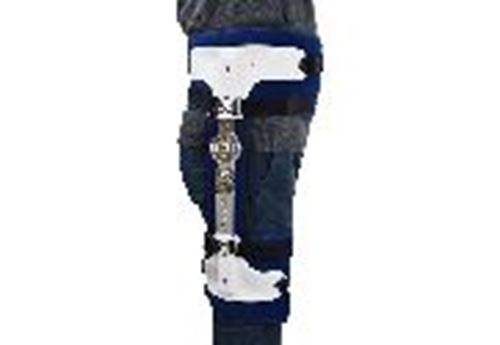
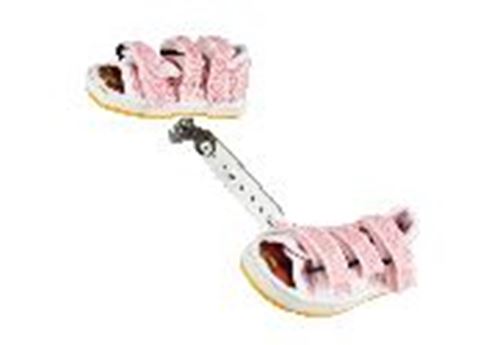
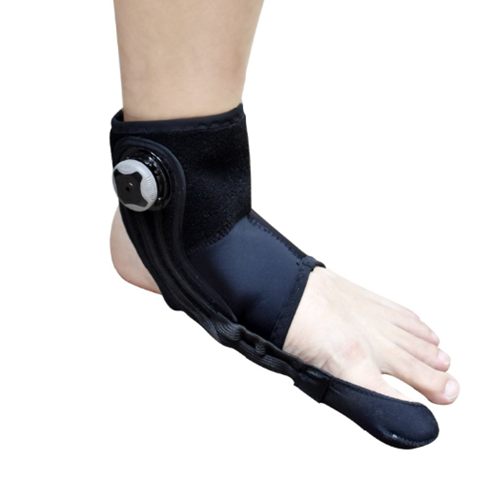
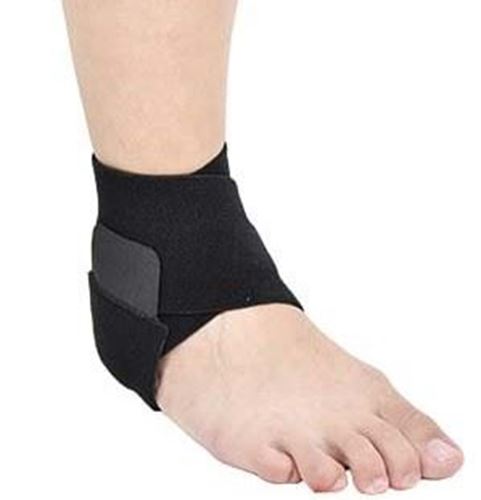
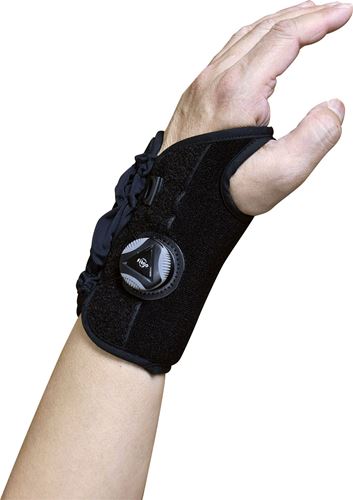
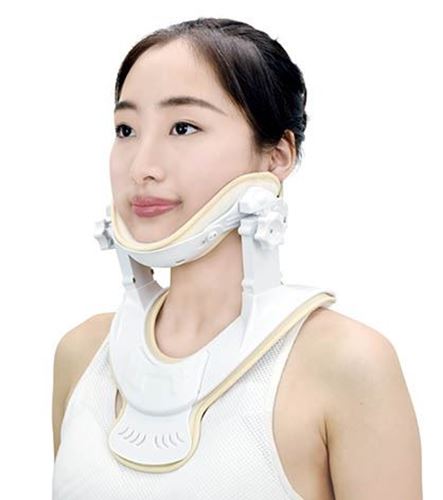
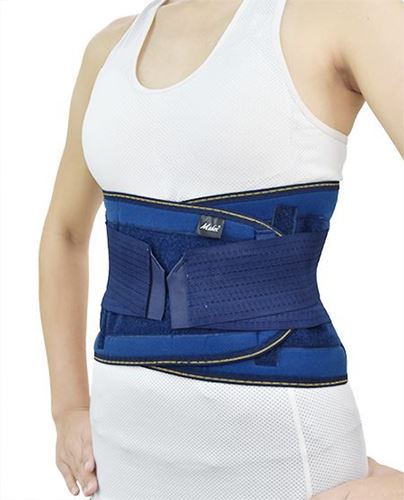
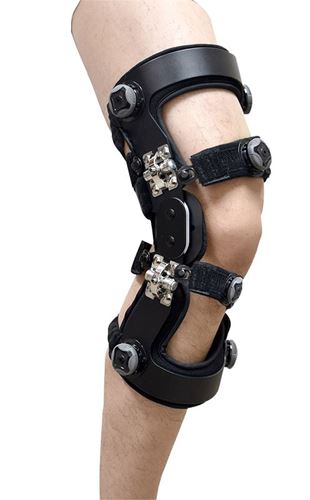
The author, Dr. Cheng Ngok, brings 50 years of extensive clinical experience from major hospitals in Belgium, the United Kingdom, and Hong Kong. Through personal medical cases and profound reflections, he reveals that many benign orthopedic conditions can actually be improved through "conservative treatment" rather than the operating table. This book provides a detailed introduction to using innovative orthopedic braces (traction, orthotics, immobilization, and limiters) for precise treatment of various orthopedic issues across the body.

This is more than just a popular science book; it is a practical "Guide to Non-Surgical Treatment." Covering common ailments of the head, neck, chest, lower back, pelvis, and limbs, it provides in-depth analysis of causes and bracing solutions. It aims to empower the public with the knowledge of "self-diagnosis and self-treatment," teaching you how to coexist with and repair your body’s pain.


 【Features】

A Comprehensive Map of Body Joints

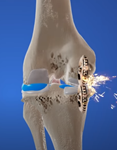
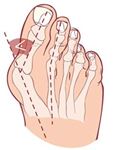
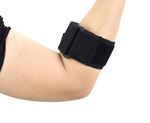
The content spans the entire body, from the head (e.g., anti-snoring straps), cervical spine (nerve compression), thoracic spine (scoliosis), and lumbar spine (sciatica), to the joints of the four limbs (tennis elbow, bunions, knee arthritis, etc.), covering over 50 common orthopedic conditions.

A Guide for "Self-Help" and "Mutual Aid"

Advocating the philosophy of "self-diagnosis and self-treatment," the book teaches readers how to break bad habits, strengthen muscles, and utilize braces to relieve symptoms in the early stages of a condition—reducing unnecessary medical expenses and travel.


 【Author】

Dr. Cheng Ngok


The author is a senior orthopedic surgeon who has worked in the orthopedic departments of two university teaching hospitals and in public and private hospitals in Belgium, the United Kingdom, and Hong Kong, accumulating 50 years of clinical orthopedic experience.

BSc. Medical Technology, National Taiwan University (Taiwan)
Doctor of Medicine (M.D.), Catholic University of Leuven (Belgium)
Doctor of Medical Science(Ph.D.), Catholic University of Leuven (Belgium)
Certificate of Orthopaedic Surgery, Catholic University of Leuven (Belgium)

 【Menu】

Chapter1-Foreword
Chapter2-Preface
Chapter3-The Historical Evolution of Orthopaedics and Braces
Chapter4-Introduction to the Brace Industry
Chapter5-Joint & Spine Mechanical malalignment, and its treatment (Mechanical Diseases →Mechanical Treatment)
Chapter6-Palliative Treatment VS Root Cause Treatment for Orthopaedic pain conditions
Chapter7-The global Real-World conditions of Orthopaedic Surgery: Good & Bad
Chapter8-Importance of timely ROM brace application for healing and recovery after injury or surgery
Chapter9-How to Live Longer?
Chapter10-Using Cartilage Structure and Funtions to explain taking Chondroitin & Glucosamine, or injecting Hyaluronic Acid & Platelet -Rich Plasma in knee to treat Osteoarthritis is a logical fallacy
Chapter11-Head & Jaw for Related problems
Chapter12-Neck Braces to treat the related problems
Chapter13-Thoracic Braces to treat the related problems
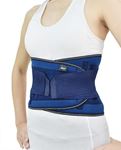
Chapter14-Back Braces to treat the related back problems
Chapter15-Pelvis and Hip Braces to treat the related problems
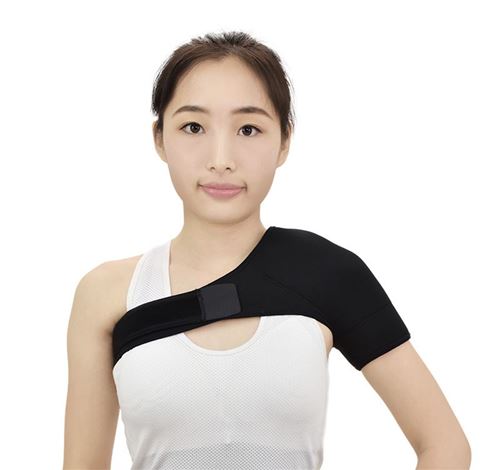
Chapter16-Shoulder Brace to treat the related problems
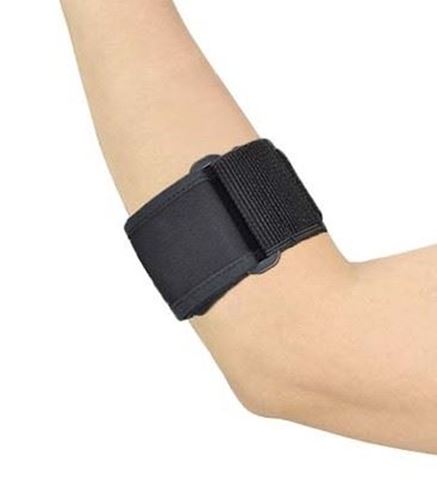
Chapter17-Elbow Braces to treat the related problems
Chapter18-Wrist Brace for Relative Problems
Chapter19-Finger and Palm Braces to treat Related Problems
Chapter20-Knee Part 1
Chapter21-Knee Part 2
Chapter22-Ankle Brace to treat the related problems
Chapter23-Foot, Toe & Heel Brace to treat the related problems
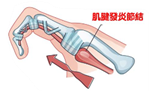
Chapter24- Night Pathognomonic Braces for Trigger Finger and Plantar Fasciitis
Chapter25-Braces to address motion or loading-induced pain at the pathological site
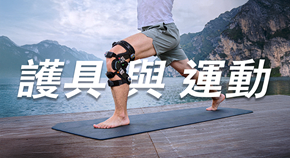
Chapter26-Brace & Exercise are a symbiotic relationship
Chapter27-Braces & Surgery are a symbiotic & complementary relationship
Chapter28-Brace is also a type of walking device
Chapter29-Let's Debunk the Myths and 4 red flags of Spinal Surgery: Failed Spinal Surgery Syndrome (FSSS)
Chapter30-X ray, CT, and MRI for orthopedic diagnosis
Chapter31-Can benign orthopaedic disorders be self-diagnosed and self-treated?
Chapter32- A psychological analysis of bracing therapy
Chapter33-Final Remarks
Reference books and Journal Articles.
Index

 【Preface】

The author is a senior orthopaedic surgeon who has served in the orthopaedic departments of two university hospitals and worked in both public and private orthopaedic sectors in Belgium, the United Kingdom and Hong Kong.


With 50 years of accumulated clinical orthopaedic experience, the author has witnessed numerous cases of
Iatrogenic Orthopaedic Diseases (New diseases caused by wrong diagnosis or treatment). Especially the complications
or sequelae resulting from over surgery or unnecessary surgery which have caused patients lifetime suffering, paralysis or even death.

The author does not deny the importance of operation in orthopedics. Particularly in cases of severe case such as
unstable displaced fractures, tumors or abscesses where an operation is essential to solve these problems. However,
these conditions are extremely rare, probably one in ten thousand. By contrast, in clinical practice the author has
found that the majority of orthopaedic operations are benign (non-severe) conditions of which surgery may not be
necessary.

Nowadays in orthopaedics, also named orthopaedic surgery, is inclined towards surgical intervention. There is a saying in this field: “Every senior surgeon has a few “Ghosts” haunting him”. These “Ghosts” mean the patients who failed from operations and become “Restless Spirits” haunt the surgeon in the rest of his life.

The author vividly recalls participating in a cervical fusion surgery led by his supervisor, where he served as an assistant. The patient was a young lady, only 23 years old, who underwent an Anterior Cervical Discectomy and Fusion (ACDF) with a pelvic bone graft. Tragically, she became quadriplegic after the operation.

This outcome was so devastating because her initial condition was merely a common cervical radiculopathy (A pinched nerve in the neck), which only caused little numbness and pain in her neck, shoulder, and arm. Why was such a high-risk surgery performed for a benign condition? It was undoubtedly a case of "Using a butcher's knife to kill a chicken." this outcome was obviously caused by the aggressive preference for surgical intervention of the lead orthopedic surgeon.

What was even more heartbreaking was that numerous similar tragedies subsequently occurred within the university hospital. In hindsight, we reflected deeply on this case and concluded that the decision-maker and the lead surgeon clearly did not handle the patient's case with comprehensive considerations. The shortcomings can be summarized as follows:

1. Severity of the Case:
Unless it is a severe unstable displaced fracture, tumor or abscess, conservative treatment should always come first.

2. At least > 3-Months of Conversative treatment:
Surgery should not be decided until at least 3 months of effective conservative therapy has been tried, for example: Neck Traction, Wearing Brace for stabilization of the neck to avoid motion-induced pain or even oral painkiller.

3. Age Limit:
This 23 years old young patient should avoid cervical fusion surgery in order to prevent "Adjacent Segment Disease" that could happen after the surgery.

4. Treatment Options:
Doctors must present multiple treatment options and clearly explain the pros and cons of each treatment.

5. Cooling-off Period:
Doctors should not force their perception on their patients. Patients need time to weigh the risks and get second medical advice. Just like buying a property or getting a divorce, major surgery requires a cooling-off period except in the case of an emergency.

Experiencing all these tragedies inspired the author to create a series of new, highly effective braces which treat orthopaedic issues without side effects and prevent unnecessary or over surgeries. These braces have saved many patients who did not want to have surgery. Meanwhile, many patients with failed surgeries also come to the author to find braces for pain relief.

The author has two principal goals in writing this book:

1. For the general public:
To help the public (especially the patients who are suffering from joint and spinal pain) understand the causes and treatments of common orthopaedic issues. This basic knowledge lets them choose the suitable treatment for themselves and avoid being misled by quack doctors, so as not to waste time and money, or even worsen their condition.

2. For medical colleagues:
We hope medical professionals will recognize these innovative, effective braces which are the best treatment of benign orthopaedic disorders, offering patients a key alternative to over-relying on drugs, surgery, or other traditional conservative treatments.

The functions of these orthopaedic braces can be classified as
follows:

a. Therapeutic brace:
1. Traction devices:
For treating spinal nerve compression in neck and back

2. Corrective Braces:
For treating painful and deformed joints

b. Rehabilitative brace:
Range of motion braces for segmental rehabilitation after surgery.

c. Preventive brace:
To prevent sports or work related injuries and to prevent recurrent disease.

The author hopes that this book may serve as a non-surgical guideline to addressing the full range of orthopaedic problems from head to toe, by harnessing the therapeutic functions of brace and advocating patient self care to alleviate benign orthopaedic pain and deformity. If their self-treatment does not get any improvement for their condition, then seek for medical advice from doctors.


 【Preview】

Click to enlarge Click to enlarge


Click to enlarge Click to enlarge


Click to enlarge Click to enlarge


Click to enlarge Click to enlarge


Click to enlarge
Write your own review
  • Only registered users can write reviews
  • Bad
  • Excellent
Product tags
-->

Contact us

Follow us

Subscribe