









Hallux Valgus Surgery |
|
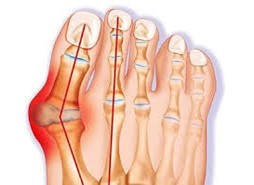
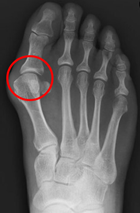
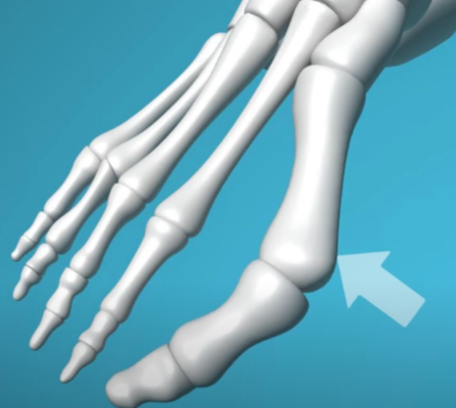
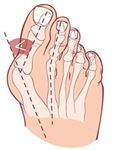
Is Hallux Valgus Surgery Necessary?Surgery for Hallux Valgus is necessary when it is very severe and accompanied by pain. There are various types of Hallux Valgus surgery, primarily classified into two categories: Osteotomy and Ligament Reconstruction. |
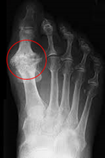
Arthritis of the Big Toe |
Classification of Surgery |
|
(A.) Osteotomy |
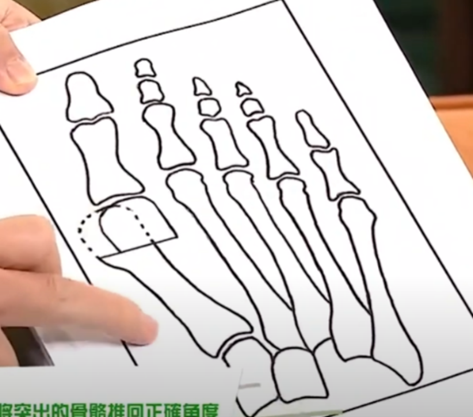
Option 1: OsteotomyBone-Breaking Bunion Surgery
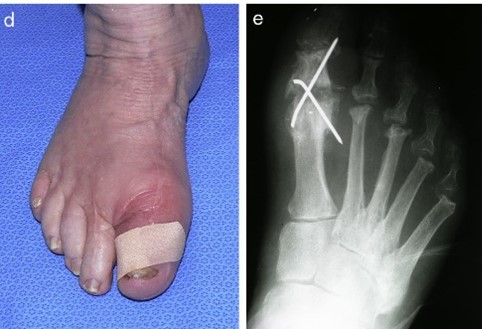
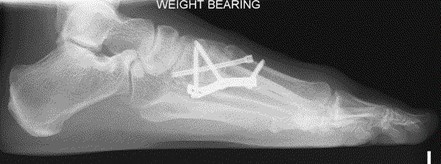
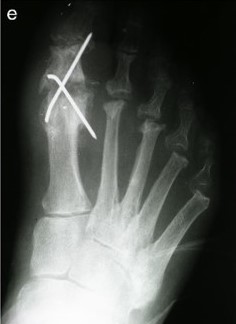
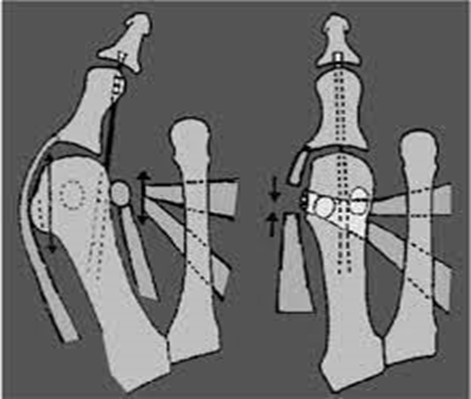
Osteotomy begins with the metatarsals, splitting them into two segments, realigning them, and securing them with screws to correct Hallux Valgus. There are many different methods for fixing the osteotomy, all aimed at realigning the deviated big toe.
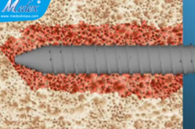
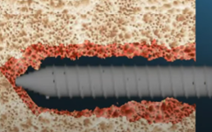
(2) Bone Screw Loosening Any surgery requiring screws may experience loosening over time due to the inability of the foreign material to integrate with the bone, leading to instability.
|
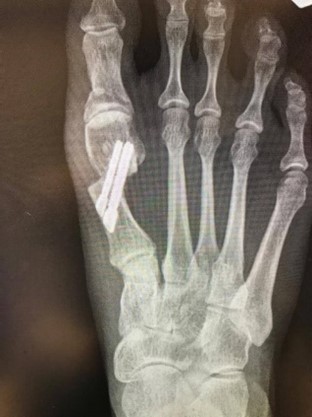
Option 2: Arthrodesis (Joint Fusion)Arthrodesis
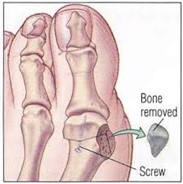
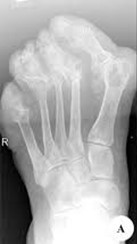
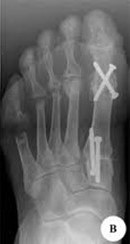
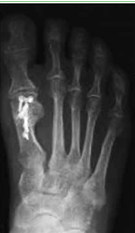
If there is destruction or ulceration of the metatarsal, the damaged metatarsal must be removed, and two surgical screws are used to connect the two bone segments together, as shown below:
Disadvantages of this surgery: (1) Loss of grip strength in the toes Since the two bone segments are permanently connected, the toes will permanently lose their grip strength.
(2) Non-union of the bones
(3) Loose screws protruding under the skin or surface |
|
(B.) Ligament Reconstruction Surgery |
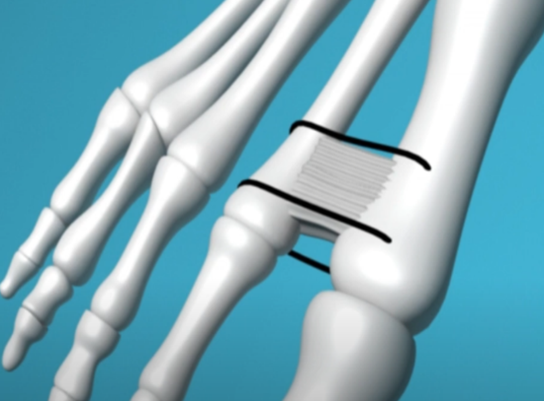
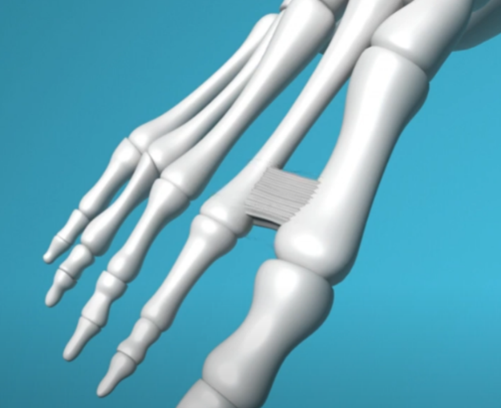
Option 1: Lateral Ligament Release and Medial Imbrication = Lateral Ligament ReleaseLateral release and medial imbrication This surgery is performed when the first metatarsophalangeal joint is intact and undamaged.
Lateral release involves loosening the lateral ligaments first. The overly tight medial ligaments are then cut and overlapped to tighten them.
Disadvantages of the surgery: (1) Possibility of recurrence Regrowth of the tendons after surgery may lead to recurrence of Hallux Valgus. |
Option 2: Non-Osteotomy Ligament Union = Metatarsal and Ligament Tightening Surgery(Metatarsal Phalangeal Bone & Ligament Tightening Surgery) (No-Bone-Breaking Bunion Surgery)
This surgery does not require cutting the bones; it tightens and corrects the hallux valgus using sutures inside the body.
Disadvantages of Hallux Valgus Surgery: Possibility of recurrence Because the absorbed sutures do not provide enough correction force to maintain the straightness of the big toe, there is a risk of hallux valgus recurrence. |
Hallux Valgus Surgery Treatment: |
If the hallux valgus surgery is successful, it can indeed be a definitive solution, but the recovery time is long, requiring 3-6 months.
|
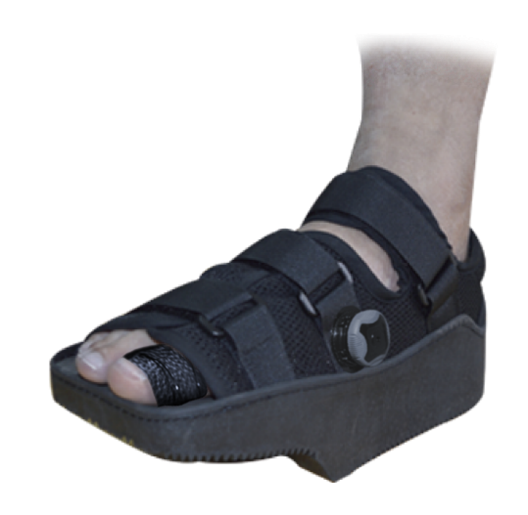
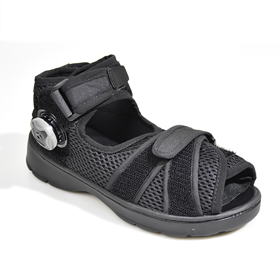
Improving the Success Rate of Hallux Valgus Surgery (Reducing Surgical Failures): Use of Forefoot Pressure Relief Hallux Valgus Shoes F39
After hallux valgus surgery, it is recommended to use the "Forefoot Pressure Relief Hallux Valgus Shoes F39" to avoid pressure on the forefoot wounds. The product also includes a big toe orthotic sleeve to continuously correct and stabilize the big toe, preventing recurrence of hallux valgus. This increases the success rate of recovery! |
Conservative Therapy: |
|
Here are reasons for not being able or willing to undergo hallux valgus surgery 1. Hallux valgus surgery carries risks, complications, and sequelae
2. Not everyone is suitable for hallux valgus surgery - Not suitable for diabetic patients - Not suitable for elderly individuals - Not suitable for those who cannot use anesthesia
3. Long recovery time after hallux valgus surgery - Most require 3-6 months for rehabilitation |
|
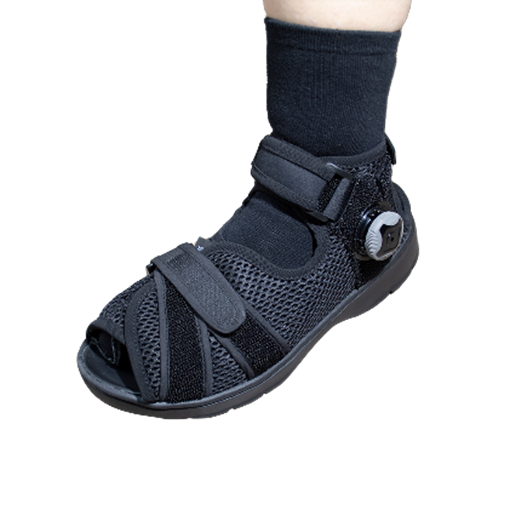
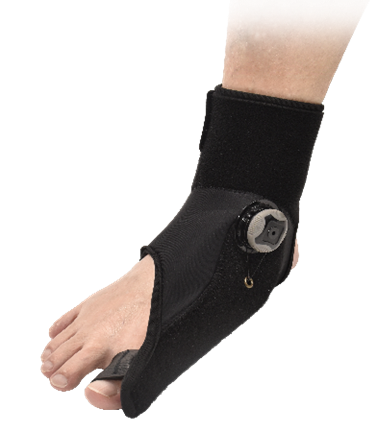
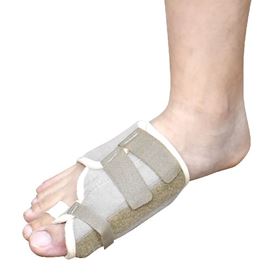
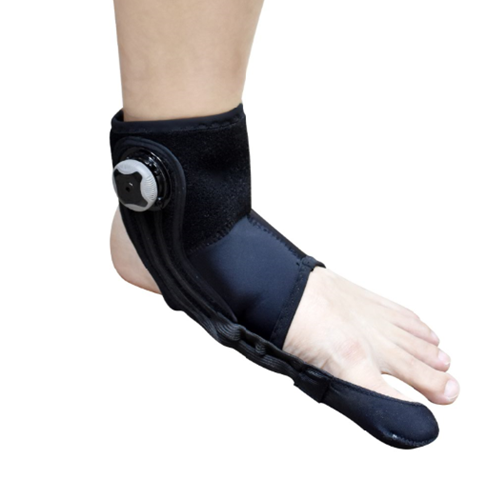
Reasons for not being able or willing to undergo hallux valgus surgery: Recommended to use hallux valgus orthotic devices (a series of 3 sets): To avoid hallux valgus surgery, it is recommended to use the following products, which correct hallux valgus through three-point corrective forces. Suitable for different daily needs of patients, providing 24-hour correction of the big toe. This speeds up treatment and effectively relieves big toe pain. |
|
For Outdoor Use |
For Home Use |
For Sleep Use |
![]() |
![]() |
![]() |
|
F38 - Hallux Valgus Orthopedic Shoes |
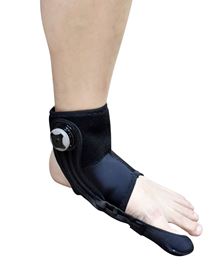
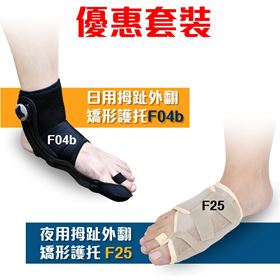
F04b - Hallux Valgus Tension Orthosis |
F25 - Nighttime Hallux Valgus Orthosis |
Hallux Valgus ( with cinch device)
Indications:
- Hallus Valgus, Hammer toe, overlapping toe, Tailor’s bunionHallux Valgus Alignment Splint ( with cinch device)
Indications:
- Hallus Valgus, Hammer toe, overlapping toe, Tailor’s bunionHallux Valgus Corrector
Indications:
- Hallus Valgus, bunion, hammer toe, stable big toe fracture, post-op care (maintain big toe straighten alignment)