甚麼是足踝扭傷 (拗柴)
足踝扭傷,俗稱「拗柴」,是最常見的足踝關節疾病之一。足踝扭傷(拗柴)是因為內翻或外翻扭傷而導致韌帶撕裂,通常會伴隨疼痛、腫脹甚至行走困難。常見的足踝扭傷(拗柴)情況,例如在不平坦的路面上行走或跑步、走路時踩空或者穿著不合適的鞋子(例如: 高跟鞋),都很容易導致踝關節內翻或外翻扭傷,通常是內翻扭傷(±95% ),外翻扭傷較少 (±5%)
足踝內翻扭傷 外側翻踝腫痛
<<返回最頂>>
如何自診足踝扭傷 (拗柴)
足踝扭傷(拗柴)因前距腓韌帶、跟腓韌帶和後距腓韌帶的瘀腫範圍和按壓時是否有壓痛(如下圖)來分辨是哪一種級別的足踝扭傷(拗柴),再根據結果來自行選擇治療拗柴的方法。
<<返回最頂>>
不同足踝扭傷(拗柴)的情況與治療方法
急性足踝扭傷(拗柴)以 1.前距腓韌帶、2.跟腓韌帶和3.後距腓韌帶的不同撕裂程度及脫臼來分成四個等級。
治療方法:
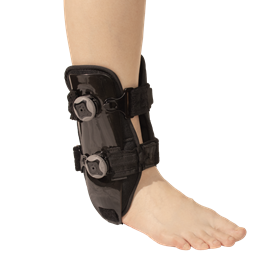
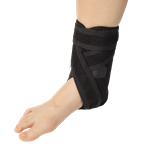
選擇1: 馬蹬式足踝固定器(A09b)
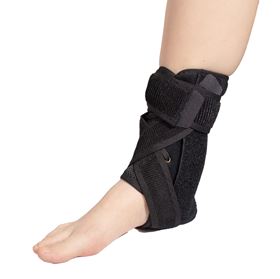
佩戴馬蹬式足踝固定器(A09b),該護具在踝關節的內側和外側均設有成形膠板,這些膠板配有拉繩器,可收緊並固定踝關節,避免足踝內翻或外翻。此設計能使患處靜止休養,讓撕裂的韌帶靠攏癒合。護
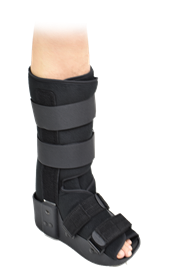
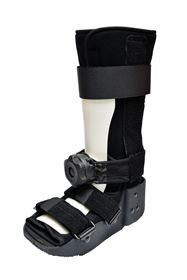
選擇2: 短版步行靴(A16b)
這款短版步行靴(A16b) 內外側均設有成形鋁製支撐條,避免足踝內外翻。步行靴還配有綁帶用作包裹固定足踝,加強行走時的穩定性。使患處行走時也能靜止休養,讓撕裂韌帶靠攏癒合。
<<返回最頂>>
治療方法:
選擇1: 馬蹬式足踝固定器(A09b)
佩戴馬蹬式足踝固定器(A09b),該護具在踝關節的內側和外側均設有成形膠板,這些膠板配有拉繩器,可收緊並固定踝關節,避免足踝內翻或外翻。此設計能使患處靜止休養,讓撕裂的韌帶靠攏癒合。護
選擇2: 短版步行靴(A16b)
這款短版步行靴(A16b) 內外側均設有成形鋁製支撐條,避免足踝內外翻。步行靴還配有綁帶用作包裹固定足踝,加強行走時的穩定性。使患處行走時也能靜止休養,讓撕裂韌帶靠攏癒合。
<<返回最頂>>
前距腓韌帶嚴重撕裂 、跟腓韌帶嚴重撕裂 及後距腓韌帶中度撕裂 ,該位置會大範圍腫痛或按壓時會疼痛。
這情況可自行測試,可參考 如何自診足踝扭傷 (拗柴)
選擇2: 石膏固定+短身步行靴(A16b)
使用石膏固定約3週,進行剛性固定,同時使用拐杖避免足踝負重。之後,穿戴短身步行靴(A16b)約3週,無需使用拐杖,進行階段性康復,促進癒合復康,避免關節僵硬。
<<返回最頂>>
四級踝關節扭傷屬於嚴重病例,前距腓韌帶嚴重撕裂 、跟腓韌帶嚴重撕裂 及後距腓韌帶嚴重 撕裂, 踝關節半脫位。 症狀包括劇烈疼痛、腫脹、踝關節不穩定和行走困難。
可到 如何自診足踝扭傷 (拗柴) 進行測試
嚴重腫痛 距骨移位
選擇1: 手法復位+石膏固定+短身步行靴(A16b)
「手法復位」後,需用石膏固定3週,並進行X光檢查以確保沒有半脫臼。之後,受傷的踝關節可繼續以石膏固定大約3週,靜止休養,促進癒合。隨後使用短身步行靴(A16)進行大約3週的復健治療,所有治療期間需使用拐杖,避免足踝負重所導致的疼痛及半脫臼,並在拐杖的輔助下進行階段性康復,漸進式負重。
選擇2: 手法復位+高身步行靴(A17) +短身步行靴(A16b)
若患者不願接受石膏固定,可在手法復位後,穿戴高身步行靴(A17) 3週,並需進行X光檢查以確保踝關節無殘餘的半脫臼。之後3週,可使用短身步行靴(A16b)繼續固定受傷的踝關節,並在拐杖的輔助下進行階段性康復,漸進式負重。
<<返回最頂>>
慢性足踝扭傷(拗柴)是因為繼發性足踝扭傷(拗柴)、足踝不穩或反覆出現扭傷而導致韌帶鬆弛,而常見症狀有走路時因關節不穩而令到腳容易內翻扭傷、運動時不敢發力或長時間活動後,腳踝會出現腫脹或疼痛。
韌帶鬆弛 關節不穩
'
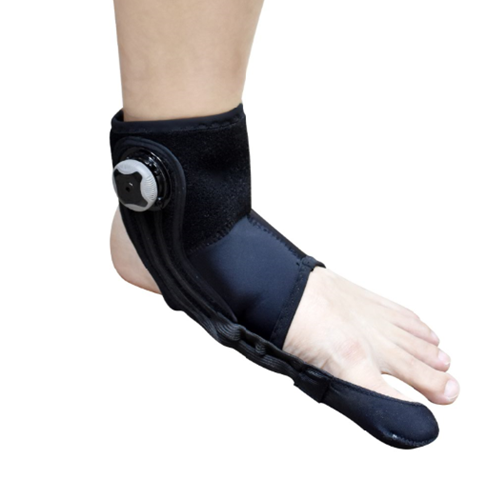
足踝護具A03b、A05 、A08在足踝的內外側有成形膠板,加上「8」字型固定帶設計,能包裹固定患處。有效預防足踝內翻動作所導致的足踝扭傷,同時鞏固受傷足踝及鬆弛韌帶,預防舊患再傷及預防新的足踝扭傷。
<<返回最頂>>
拗柴(足踝扭傷)後多久會好?
康復時間視乎扭傷等級:第一級輕微扭傷通常在 1-2 週內恢復;第二級部分韌帶撕裂可能需要 4-8 週;第三級嚴重的韌帶完全斷裂則可能需要 3 個月甚至更長時間,且建議尋求專業醫療評估。
如何判斷足踝扭傷的嚴重程度?
醫學上將足踝扭傷分為四級:第一級為韌帶輕微撕裂,可能有輕微腫脹;第二級為韌帶部分撕裂,出現明顯瘀青與行走困難;第三級為韌帶部分嚴重撕裂,出現明顯瘀青與行走困難;第四級則是韌帶完全撕裂,關節極度不穩且無法負重。
足踝扭傷需要佩戴護踝嗎?
佩戴合適的護踝可以提供關節支撐,防止二次受傷,並幫助穩定韌帶。選擇合適的護踝 能加速康復過程。
免責聲明
我們所提供的醫療信息並不代表閣下主診醫生之醫療建議,關於錯誤使用此產品而造成的傷害或併發症,本製造商概不負責,若有需要在使用前請咨詢你的主診醫生。 產品佩戴時需要恰當的鬆緊度,不能過緊引發疼痛及影響血液循環。如有皮膚過敏,請停止使用。
Disclaimer
We do not provide any kind of medical advice in the information provided. Consult your doctor for the use of this product. The manufacturer will not be liable for injuries, damage, or complications resulting from the misuse or misapplication of our product. This support should be snug but not impair circulation. If rash developed, discontinue to use and seek medical advice.
瀏覽為
網格
列表
排序由
默認
名稱: A 到 Z
名稱: Z 到 A
價格: 從低到高
價格: 從高到低
創建日期
顯示
3
6
9
每頁
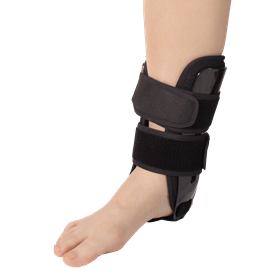
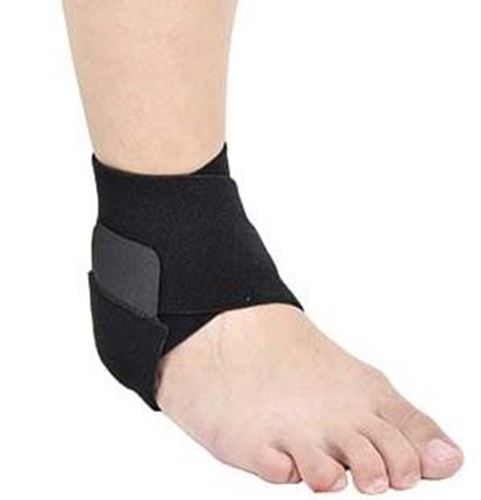
足踝扭傷護托
適用症狀
- 一、二及三級足踝扭傷(有腫脹)
- 一、二及三級韌帶撕裂
- 急性期足踝不穩或劇烈疼痛
足踝扭傷護托
適用症狀
- 一、二及三級足踝扭傷(有瘀血及腫脹)
- 一、二及三級韌帶撕裂
- 急性期足踝不穩或劇烈疼痛
適用症狀
- 有瘀血及腫脹
- 二、三、四級足踝扭傷(嚴重拗柴)
- 穩定性非移位足踝骨折
- 非穩定性骨折手術後固定保護
- 足踝手術後保護及康復期使用
適用症狀
- 有瘀血及腫脹
- 二、三、四級足踝扭傷(嚴重拗柴)
- 足踝脫臼
- 穩定性足踝骨折
- 阿基里斯跟腱重建或縫補術後使用
- 足踝手術後康復期使用
足踝扭傷護托
適用症狀
- 一、二級足踝扭傷(有腫脹)
- 一、二級韌帶撕裂
- 預防足踝再次扭傷
- 慢性足踝疾病:繼發性足踝扭傷或足踝不穩
- 韌帶鬆弛




/A06_6 (2).png)
/1 - 複製.jpeg)
/韌帶撕裂圖_v003-01.png)
/急性足踝扭傷.png)
/螢幕擷取畫面 2026-03-31 102521.png)
/level1_韌帶撕裂.png)
/level1_new_finger.jpg)
/A09b_fakeShopPhoto.png)
/A16b_fakeShopPhoto.png)
/level2_韌帶撕裂.png)
/level2_new_finger.jpg)
/level3_韌帶撕裂.png)
/level3_new_finger.jpg)
/level3_option01_v002.png)
/level3_option02.png)
/level4_01.jpeg)
/level4_02.jpeg)
/level4_option01.png)
/level4_option02.png)
/韌帶鬆弛.png)
/關節不穩.jpg)
/A03b_fakeShopPhoto.png)
/A05_fakeShopPhoto.png)
/A08_fakeShopPhoto.png)