













Filters
Close

Ankle fracture


Ankle Fracture


What Is an Ankle Fracture


Ankle Fracture

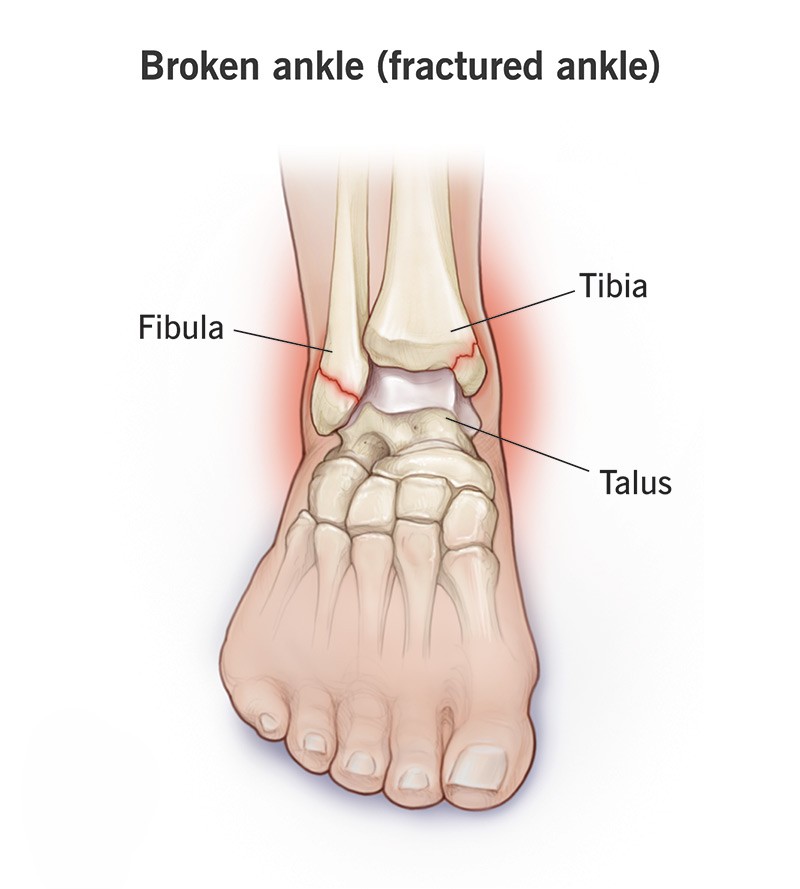
An ankle fracture refers to a crack or break in one or more of the bones in the ankle. Common symptoms include severe pain, noticeable swelling, bruising, and difficulty bearing weight. In more severe cases, visible deformity may occur.


Causes of Ankle Fracture


Common causes of ankle fractures include excessive force on the ankle during a fall, impact or twisting injuries during sports, traffic accidents, or falls from height. All of these situations can result in a broken bone.

足踝骨折

 <<Back to Top>>


How to Identify an Ankle Fracture


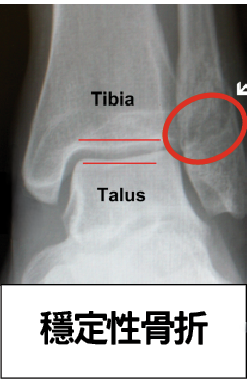
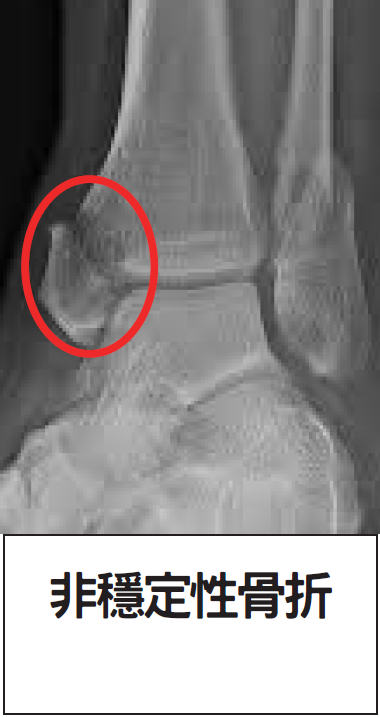
An ankle fracture is generally difficult to diagnose based on appearance alone. The most accurate method of confirmation is an X‑ray examination.

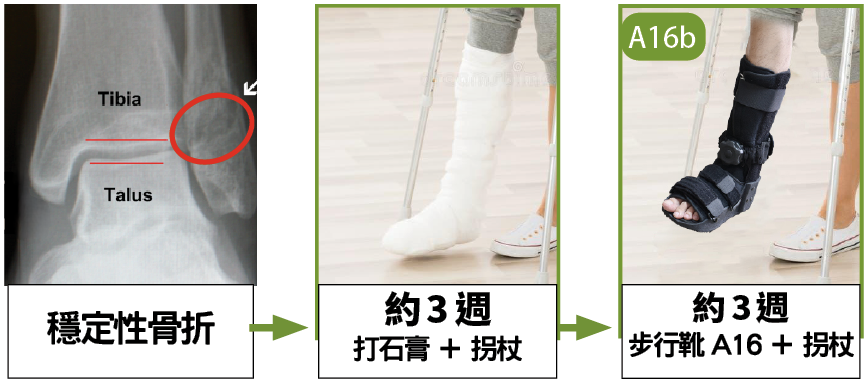
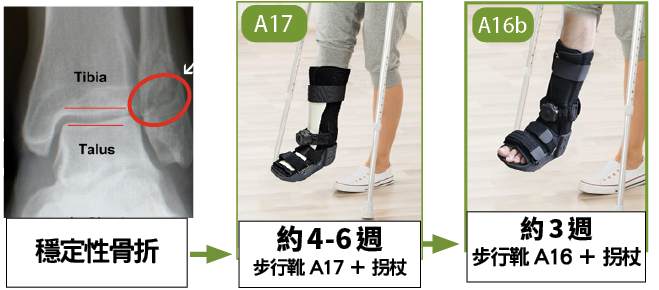
Stable Ankle Fracture: If the X‑ray shows only a single dark fracture line and the bone remains in its normal position without displacement (as shown below), it is generally classified as a stable fracture.

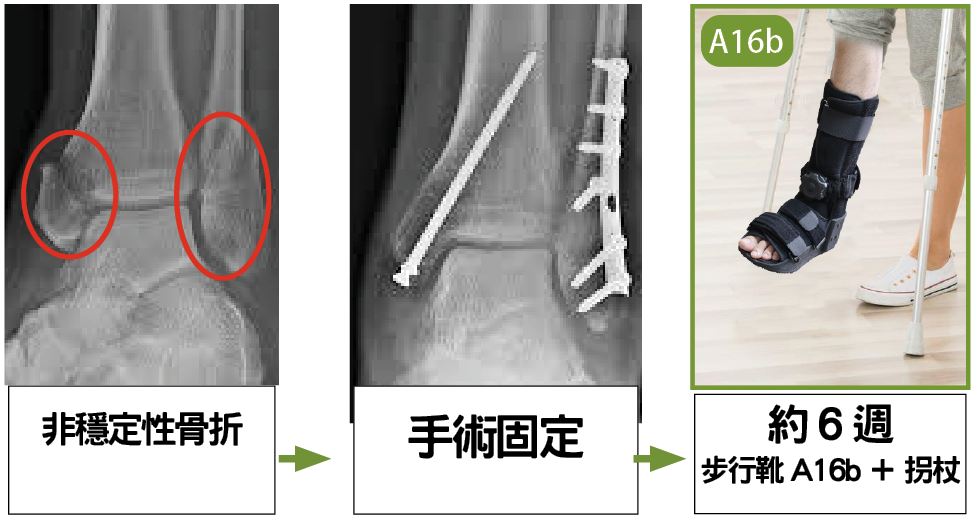
Unstable Ankle Fracture: If the bone shows separation at the fracture site or displacement (as shown below), it is classified as an unstable fracture.


足踝骨折 足踝骨折

Stable Ankle Fracture

Unstable Ankle Fracture

 <<Back to Top>>


Types of Ankle Fractures & Treatment


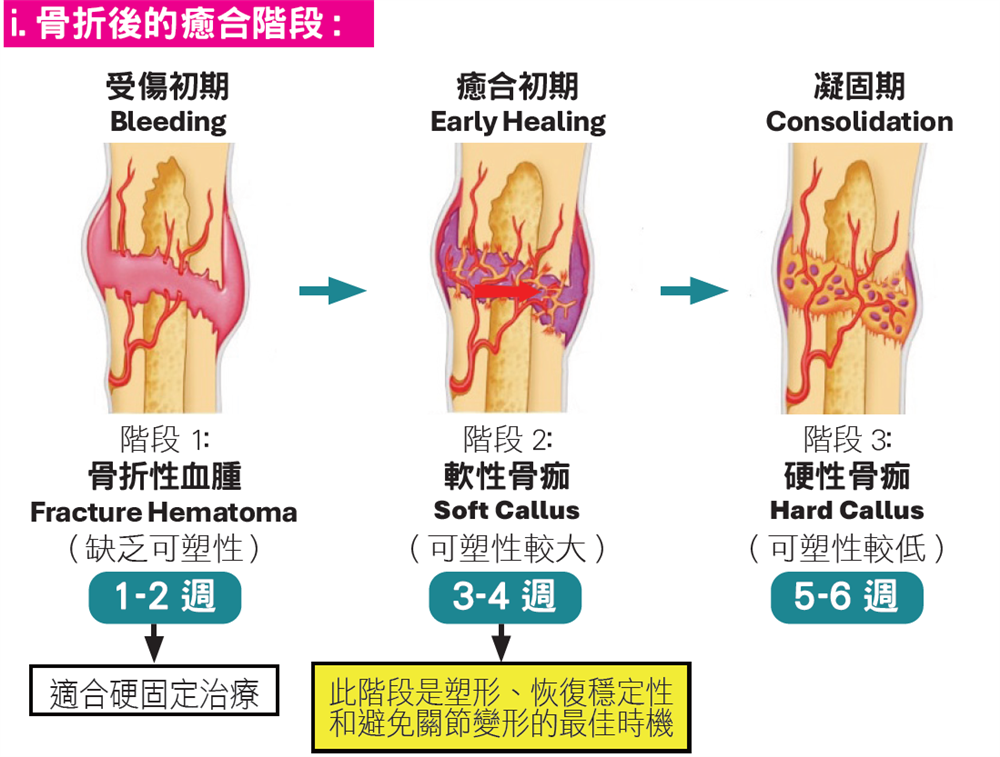
After a fracture, the body initiates its natural healing process to gradually rebuild the damaged bone and restore function. The healing process does not occur all at once but progresses through different stages. Understanding these stages helps in selecting appropriate immobilization and rehabilitation strategies, improving recovery outcomes and reducing the risk of complications or long-term effects.


足踝骨折


Stage 1: Initial Stage of Injury(Bleeding)

Fracture Hematoma Formation: Lasts about 1–2 weeks.

This stage is part of the acute inflammatory phase. The fracture site lacks plasticity and has low stability; therefore, rigid immobilization (such as a hard cast or internal fixation) is suitable to prevent the bone from displacing.


Stage 2: Early Healing Stage

Soft Callus Formation: Takes about 3–4 weeks, during which plasticity is high.

This is a critical period for shaping, restoring stability, and preventing joint deformity. Inadequate immobilization or improper protection during this time may lead to malunion (deformity/displacement), functional impairment, and reduced joint stability.


Stage 3: Consolidation Stage

Hard Callus Formation: Gradually forms around weeks 5–6.

At this point, the bone becomes firmer and its plasticity decreases. The fracture enters a more mature stage of healing, but physical activity should still be resumed gradually and progressively.

 <<Back to Top>>


Stable Ankle Fracture

i. Brace for stable non-displaced ankle fractures

Cast + Short Rigid Walker Boot(A16b)+ Crutches

Traditional Treatment Method (Cast Immobilization)

Immobilizing the affected area with a cast provides strong stabilization, helping to secure the fracture site and promote healing. Therefore, the typical recovery (immobilization) time is about 3 weeks. However, if the cast is not applied or managed properly, displacement may still occur.

For acute, stable, and non-displaced fractures, surgical treatment is generally not required. The area can first be immobilized with a cast for about 3 weeks, during which regular X-ray check-ups are needed to ensure the bone hasn't shifted.

After completing the first 3 weeks, you can switch to a short walker boot (A16b) for another 3 weeks of immobilization. You should continue using crutches to avoid putting weight on the injured ankle, ensuring the fracture heals stably.

足踝骨折


Option 2: Long Rigid Walker boot(A17)+ Short Rigid Walker boot(A16b)

Brace Treatment

Braces provide less rigid immobilization than a traditional cast, which means the overall recovery time may be relatively longer.

However, if there is an open wound at the fracture site, a brace is much more convenient because it can be removed for cleaning, making it much easier to maintain hygiene and care for the wound.

If a patient prefers not to use a traditional cast, they can opt for a Long Rigid Walker Boot (A17) for about 3 weeks. Regular X-ray check-ups are still required during this period to ensure the bone has not displaced. Crutches must be used simultaneously to avoid putting weight on the injured ankle.

After the initial 3 weeks, the patient can switch to a short walker boot (A16b) for another 3 weeks of immobilization. Crutches should continue to be used to keep weight off the injured ankle and ensure the fracture heals stably.


Unstable Ankle Fracture

ii. Brace for unstable displaced ankle fractures: Surgery and Post-op care

When a patient presents with an unstable or displaced ankle fracture, surgical reduction is required, using screws and metal plates for internal fixation.

Post-operative X-rays are also necessary to ensure that the alignment and reduction are successful. For the first 6 weeks after surgery, a short walking boot (A16b) should be worn along with crutches. This protects the surgical wound, immobilizes the ankle, and alleviates pain caused by weight-bearing or leg movement. During this period, using crutches to practice progressive weight-bearing rehabilitation is the safest approach to regaining function.


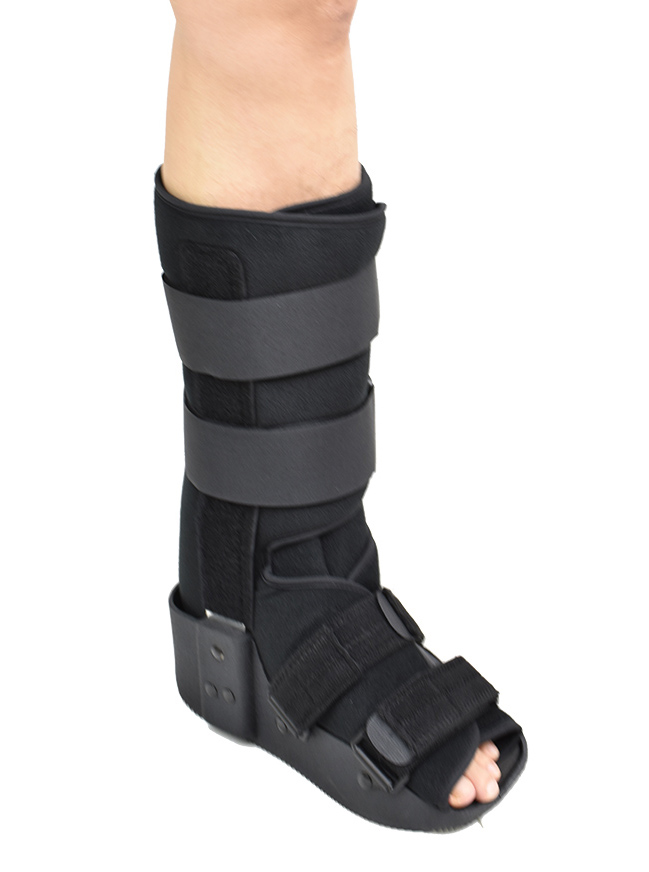
Short Walker Boot A16b

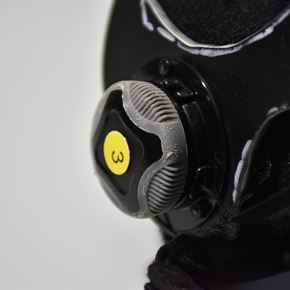
A Short Walking Boot (A16b) with moulded aluminium stays on both medial and lateral sides to keep the ankle upright. Straps are added to the boot for tightening and stability of the ankle joint while walking.

足踝骨折


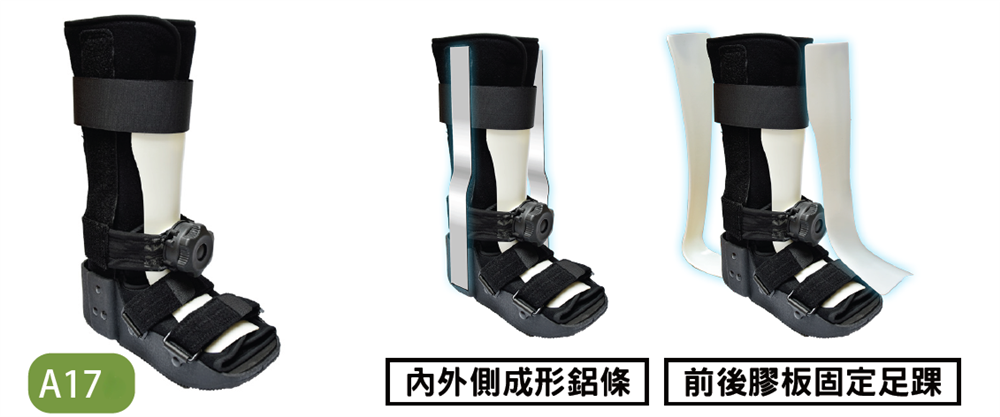
Features of the Long Rigid Walking Boot A17

Long Rigid Walking Boot (A17a) has two moulded aluminum stays on both medial and lateral sides. Additionally, there are two moulded plastic panels in the front and rear of the ankle to prevent flexion and extension. It has also straps with cinch device to tighten the boot for stabilization. The sole of the walker is slip resistant.

足踝骨折

 <<Back to Top>>

View as
Sort by
Display per page

A16b - Short Walking Boot (37 cm)

Walker

Indications:

- Soft tissue injuries of the lower leg
- Moderate to severe ankle sprains
HK$954.00

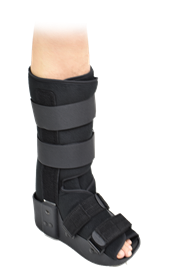
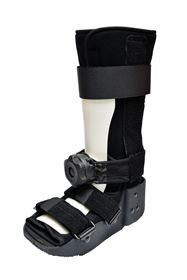
A17 - Long Walking Boot (45 cm)

Walker

Indications:

- Lower tibia fracture, stable ankle fracture
HK$2,610.00